
Digital Marketing
Crafting Compelling Content for Effective Guest Posting Services


In the dynamic landscape of digital marketing, guest posting has emerged as a powerful strategy for enhancing online visibility, building authority, and driving targeted traffic. However, the effectiveness of guest posting services hinges on the quality and relevance of the content shared. Crafting compelling content is the key to making a lasting impact through guest posting. This article explores essential strategies for creating content that not only meets the standards of guest posting services but also captivates audiences, contributes to brand credibility, and maximizes the overall impact of guest posting efforts.
Understand Your Audience:
The foundation of compelling content lies in a deep understanding of your target audience. Before crafting any guest post, conduct thorough research to identify the preferences, challenges, and interests of your audience. Tailor your content to resonate with their needs, ensuring that each piece addresses their pain points and provides valuable insights. A guest post that speaks directly to the audience is more likely to capture their attention and engagement.
Align with the Platform’s Tone and Style:
Guest posting services often involve securing placements on various platforms, each with its own tone and style. Crafting compelling content requires an understanding of the platform’s audience and adhering to its established tone. Whether it’s a formal industry publication or a more casual blog, aligning your content with the platform’s tone enhances its receptivity and increases the likelihood of acceptance.
Offer Unique and Valuable Insights:
To stand out in the crowded digital space, your guest post must offer unique and valuable insights. Avoid rehashing generic information and instead strive to provide fresh perspectives, industry trends, or innovative solutions. Guest posting is an opportunity to showcase your expertise and establish thought leadership. Valuable insights not only engage the audience but also contribute to building credibility and authority within your niche.
Craft a Compelling Headline:
The headline is the first impression your guest post makes. Craft a compelling and attention-grabbing headline that entices readers to delve into the content. Consider using numbers, asking questions, or creating a sense of urgency to draw readers in. A well-crafted headline not only captures attention but also sets the tone for the content that follows.
Focus on Readability and Clarity:
Online readers have limited attention spans, so it’s crucial to ensure that your content is easily readable and clear. Break down your content into concise paragraphs, use subheadings to guide readers, and incorporate bullet points or numbered lists for clarity. A well-organized and easily digestible format enhances the overall reading experience and encourages users to stay engaged with your content.
Incorporate Engaging Visuals:
Visual elements are powerful tools for enhancing the appeal of your guest post. Whether it’s infographics, images, or charts, incorporating engaging visuals helps break up the text and provides a more immersive experience for the reader. Visuals not only make the content more attractive but also reinforce key points, making them more memorable for the audience.
Tell a Compelling Story:
Humans are inherently drawn to stories. Crafting a compelling narrative within your guest post can captivate readers and create a lasting impression. Share relevant anecdotes, case studies, or personal experiences that tie into the main theme of your content. A well-told story not only adds a personal touch but also establishes an emotional connection with the audience.
Include Actionable Takeaways:
Compelling content goes beyond providing information; it offers actionable takeaways that readers can implement. Whether it’s practical tips, step-by-step guides, or actionable insights, ensure that your content provides tangible value to the audience. Actionable takeaways not only demonstrate your expertise but also encourage readers to apply the information in their own contexts.
Optimize for SEO:
Effective guest posting services consider the importance of search engine optimization (SEO). Incorporate relevant keywords naturally within your content to enhance its discoverability on search engines. Ensure that your content is well-structured, with appropriate headings, meta descriptions, and alt text for images. Optimizing your content for SEO not only increases its visibility but also contributes to the overall success of your guest posting strategy.
Encourage Audience Engagement:
Compelling content invites audience engagement. Encourage readers to share their thoughts, ask questions, or provide feedback in the comments section. Pose questions within the content to prompt discussion and foster a sense of community. Actively participating in the conversation around your guest post enhances its impact and extends its reach within the online community.
Conclusion:
Crafting compelling content is the linchpin of effective guest posting services. By understanding your audience, aligning with the platform’s tone, offering unique insights, crafting compelling headlines, focusing on readability, incorporating engaging visuals, telling compelling stories, including actionable takeaways, optimizing for SEO, and encouraging audience engagement, you can create content that not only meets the standards of guest posting services but also resonates with your target audience. Compelling content serves as a vehicle for building credibility, establishing thought leadership, and maximizing the overall impact of your guest posting efforts in the competitive digital landscape. As you embark on your guest posting journey, remember that the value of your content is not just in its creation but in its ability to captivate, engage, and leave a lasting impression on your audience.
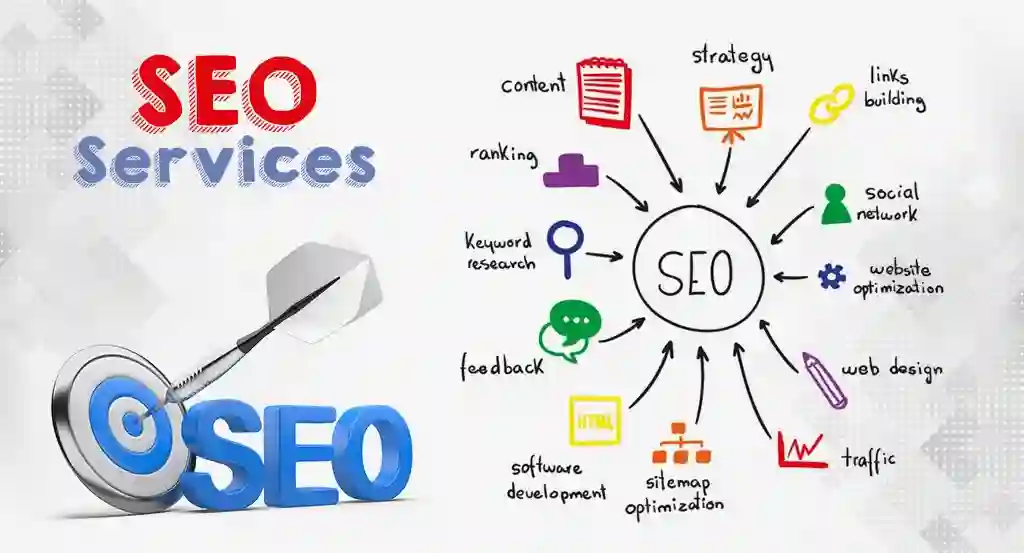
In the digital age, where online presence is paramount for businesses of all sizes, Search Engine Optimization (SEO) has emerged as a critical component of marketing strategies. However, despite its widespread recognition, there are numerous misconceptions surrounding SEO agencies and the services they offer. From inflated promises to doubts about their effectiveness, these misconceptions often lead businesses astray, preventing them from fully leveraging the potential of SEO. In this article, we’ll debunk some of the most common misconceptions about boston seo agency and shed light on the truth behind them.
SEO Guarantees Instant Results
One of the most prevalent misconceptions about SEO agencies is the belief that they can deliver instant results. Some businesses expect to see a dramatic increase in their search engine rankings and website traffic overnight. However, the reality is that SEO is a long-term strategy that requires patience and persistence. While some improvements may be noticeable in the short term, achieving significant results typically takes time and ongoing effort.
The Truth:
SEO is a gradual process that involves various tactics such as keyword research, content optimization, link building, and technical optimization. These strategies take time to implement and yield results. Additionally, search engines like Google continuously update their algorithms, which can impact rankings. SEO agencies work diligently to adapt to these changes and implement strategies that align with best practices to improve a website’s visibility over time.
SEO Is All About Keywords
Another common misconception is that SEO is solely focused on keywords. While keywords play a crucial role in SEO, optimizing content for search engines involves much more than just sprinkling keywords throughout a webpage. Some businesses believe that stuffing their content with keywords will automatically boost their rankings, but this approach is outdated and can even harm a website’s performance.
The Truth:
Effective SEO involves a comprehensive approach that encompasses various elements such as high-quality content creation, user experience optimization, mobile-friendliness, website speed, and backlink building. While keywords remain important for signaling relevance to search engines, modern SEO strategies prioritize providing value to users and satisfying their search intent. SEO agencies employ a holistic approach that considers all these factors to improve a website’s visibility and drive organic traffic.
SEO Is a One-Time Effort
Many businesses mistakenly believe that SEO is a one-time task that, once completed, can be checked off their list indefinitely. They may hire seo company boston to optimize their website initially and then assume that their rankings will remain stable without any ongoing maintenance. However, SEO is an ongoing process that requires continuous monitoring, adaptation, and refinement.
The Truth:
Search engine algorithms are constantly evolving, and competition in the online space is fierce. To maintain and improve their rankings, businesses need to stay proactive and adapt to changes in the digital landscape. SEO agencies provide ongoing services such as monitoring performance metrics, analyzing competitors, updating content, and adjusting strategies to ensure sustained growth in search engine rankings. By partnering with an SEO agency for long-term support, businesses can stay ahead of the curve and achieve lasting success.
SEO Is Expensive and Not Worth the Investment
Some businesses are hesitant to invest in SEO services due to the misconception that it is prohibitively expensive and may not deliver a significant return on investment (ROI). They may view SEO as a luxury reserved for large corporations with hefty marketing budgets and believe that traditional advertising methods offer better value for money.
The Truth:
While it’s true that SEO services come with a cost, they offer a highly cost-effective means of driving organic traffic to a website and generating leads and conversions. Compared to traditional advertising channels such as print ads or TV commercials, which often require substantial upfront investment and offer limited targeting capabilities, SEO provides a more targeted and measurable approach to reaching potential customers. Additionally, the long-term benefits of SEO, such as increased brand visibility, credibility, and sustained traffic growth, far outweigh the initial investment.
SEO Is Just as Effective as Hiring an Agency
Some businesses opt to handle their SEO efforts in-house, believing that they can achieve the same results as hiring a professional agency. They may rely on free online resources and DIY tools to optimize their website for search engines, assuming that they can save money and achieve comparable outcomes.
The Truth:
While it’s possible for businesses to implement basic SEO tactics on their own, achieving significant results often requires expertise, experience, and resources that an in-house team may lack. SEO is a complex and ever-changing field that requires specialized knowledge and ongoing education to stay ahead of the competition. SEO agencies employ skilled professionals who stay abreast of the latest industry trends, best practices, and algorithm updates. By leveraging their expertise and resources, businesses can benefit from a more comprehensive and effective SEO strategy that delivers tangible results.
Conclusion:
In conclusion, debunking these common misconceptions about SEO agencies reveals the truth behind their services and underscores the value they provide to businesses seeking to enhance their online presence. SEO is not a quick fix or a one-size-fits-all solution, but rather a dynamic and multifaceted approach to improving a website’s visibility and driving organic traffic. By partnering with a reputable SEO agency and embracing a long-term strategy, businesses can overcome these misconceptions and unlock the full potential of SEO to achieve their marketing goals.

In today’s rapidly evolving tech landscape, marketing for technology companies requires a unique approach. Tech-savvy strategies are essential to reach a tech-savvy audience. Whether you’re a startup or an established tech firm, effective online marketing can help you gain visibility, attract customers, and stay ahead in the highly competitive tech industry. In this article, we’ll explore key online marketing strategies tailored specifically for tech companies.
The Tech Industry: A Competitive Arena
The technology industry is known for its fast-paced nature and fierce competition. With innovative solutions emerging daily, tech companies need to not only develop cutting-edge products but also effectively market them to stand out in the crowd. Online marketing is a powerful tool in this endeavor, as it allows tech firms to reach their target audience and showcase their technological prowess.
Why Tech-Savvy Online Marketing Matters
Tech-savvy online marketing is essential for several reasons:
- Reaching a Tech-Savvy Audience: Your target audience likely consists of tech enthusiasts who are well-versed in the digital world. Tech-savvy marketing methods resonate with this audience.
- Demonstrating Expertise: Effective online marketing allows you to showcase your expertise in technology, reinforcing your credibility as a tech company.
- Adapting to Tech Trends: The tech landscape evolves rapidly, and tech-savvy marketing strategies help you stay up to date with the latest trends and technologies.
- Global Reach: Online marketing offers global reach, enabling tech companies to access a broad and diverse audience.
Now, let’s delve into tech-savvy online marketing strategies tailored for tech companies:
1. Professional Website
Your website is often the first point of contact for potential customers. Ensure it is professionally designed, mobile-responsive, and optimized for speed. Highlight your tech products and solutions, and include informative content and case studies to showcase your expertise.
2. Content Marketing
Develop high-quality, tech-focused content that educates and engages your audience. Blog posts, whitepapers, eBooks, and tech tutorials can establish your company as a thought leader in your industry. Share this content on your website and through social media channels.
3. Social Media Engagement
Maintain an active and tech-savvy presence on social media platforms relevant to your industry, such as LinkedIn, Twitter, and GitHub. Share tech news, industry insights, and updates about your products or services. Engage with your audience by responding to comments and messages promptly.
4. Video Marketing
Create video content that demonstrates your tech products in action, explains complex concepts, or provides tutorials. Video is an engaging format for conveying technical information and building a personal connection with your audience.
5. Webinars and Online Workshops
Host webinars and online workshops on tech-related topics. These events can showcase your expertise and allow potential customers to interact with you directly. Record and share these sessions for future reference.
6. Email Marketing
Build and nurture an email list of tech enthusiasts and potential customers. Send tech newsletters, product updates, and personalized messages to keep your audience informed and engaged.
7. Technical SEO
Optimize your website for technical SEO to improve your search engine rankings. Focus on website speed, mobile-friendliness, and structured data. Use relevant keywords to attract organic traffic.
8. Paid Advertising
Invest in targeted online advertising campaigns. Platforms like Google Ads and social media advertising allow for precise audience targeting based on interests, demographics, and keywords. Consider retargeting campaigns to re-engage potential customers who have visited your website.
9. Thought Leadership
Establish your company as a thought leader in your tech niche. Publish research, tech insights, and case studies that demonstrate your expertise. Present at tech conferences and webinars to showcase your knowledge.
10. User-Generated Content
Encourage your customers to create and share user-generated content about your tech products. Reviews, testimonials, and case studies from satisfied customers can build trust and credibility.
11. Online Communities and Forums
Engage with tech-focused online communities and forums related to your industry. Share your expertise, answer questions, and provide valuable insights. Networking in tech communities can help raise awareness about your company.
12. Mobile Optimization
Ensure that your online materials, including your website and emails, are mobile-friendly. Tech enthusiasts often access information on their smartphones and tablets, so a seamless mobile experience is crucial.
13. Virtual Reality (VR) and Augmented Reality (AR)
If applicable to your tech products, consider using VR and AR in your marketing efforts. These immersive technologies can provide potential customers with unique experiences and insights.
14. Data Analytics and AI
Leverage data analytics and artificial intelligence (AI) tools to gain insights into your target audience’s behavior and preferences. Use this data to optimize your marketing strategies and personalize your campaigns.
15. Industry Partnerships
Collaborate with other tech companies, startups, or tech-focused organizations. Partnerships can help you access new audiences, pool resources, and create innovative solutions.
16. Cybersecurity and Data Privacy
Given the increasing concerns about cybersecurity and data privacy, emphasize your commitment to safeguarding customer data and adhere to industry best practices.
17. Compliance and Transparency
Ensure that your online marketing practices comply with industry regulations and ethical standards. Be transparent about your tech products’ capabilities and limitations.
18. Continuous Learning
Stay updated with the latest tech trends and innovations. Attend tech conferences, webinars, and workshops to expand your knowledge and stay competitive in the tech industry.
19. Crisis Management
Develop a crisis management plan to address any tech-related issues or vulnerabilities. Having a plan in place can help mitigate potential damage to your reputation.
20. Community Engagement
Engage with your local and global tech communities. Sponsor tech events, hackathons, or coding competitions. Supporting tech education and innovation can enhance your company’s reputation.
In conclusion, tech-savvy online marketing is vital for tech companies looking to thrive in the competitive tech industry. By implementing these strategies and staying at the forefront of technological advancements, you can connect with tech enthusiasts, showcase your expertise, and build a strong online presence. Building trust and credibility through tech-savvy online marketing is key to success in the dynamic world of technology.
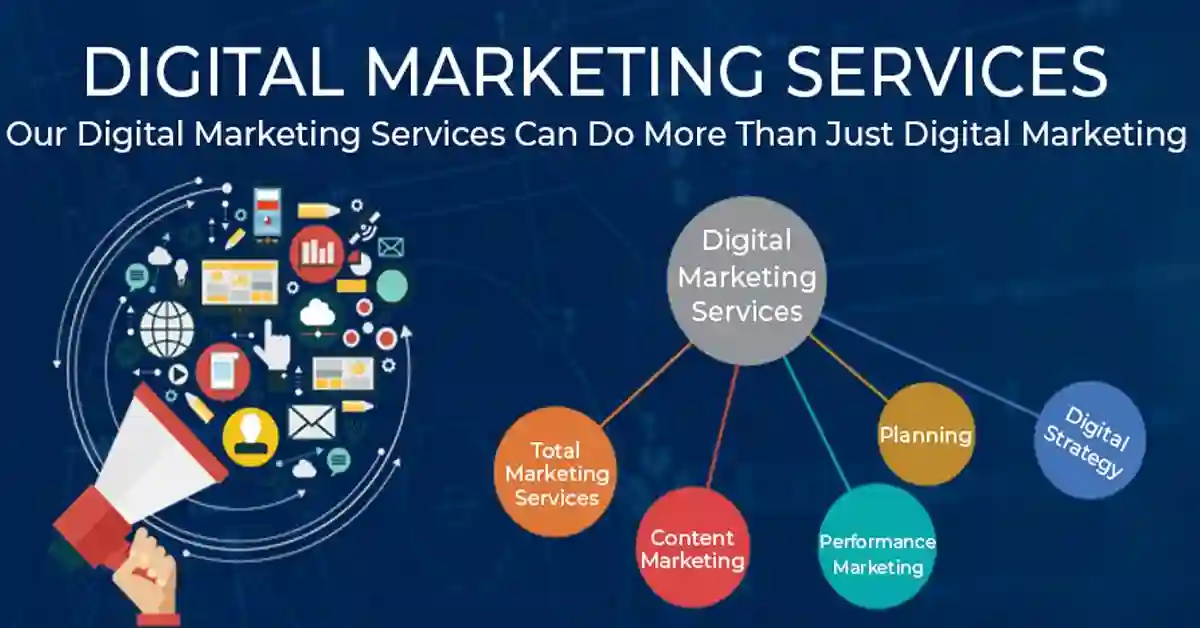
In the fast-paced and ever-evolving digital landscape, businesses are continually seeking to establish their presence and excel online. The key to navigating this pixelated realm successfully lies in the expertise of digital marketing agencies, often hailed as the architects of online success. These agencies leverage data-driven strategies, creative brilliance, and cutting-edge technology to craft and execute digital marketing campaigns that set brands apart. However, with a multitude of options available, finding the cream of the crop in digital marketing agencies can be a challenging endeavor. In this article, we’ll embark on a journey to explore excellence in the pixel realm, shedding light on the factors that will guide you in selecting the ideal agency to elevate your brand’s digital presence.
Understanding the Digital Marketing Landscape
Before we delve into the world of digital marketing agencies, it’s crucial to grasp the intricacies of the digital marketing landscape. This dynamic realm encompasses a wide array of strategies and channels, including search engine optimization (SEO), pay-per-click (PPC) advertising, social media marketing, content creation, email marketing, and more. Success in this pixelated universe demands not only expertise but also a deep understanding of emerging trends and consumer behavior.
1. Define Your Digital Objectives
The first step in finding excellence in digital marketing agencies is to clearly define your digital objectives. What are your goals? Are you looking to increase brand awareness, drive website traffic, generate leads, boost sales, enhance online visibility, or achieve specific key performance indicators (KPIs)? Defining your objectives will serve as your North Star, guiding you towards agencies that specialize in the areas crucial to your brand’s success.
2. Assess Expertise and Specialization
Digital marketing agencies often specialize in specific areas, such as SEO, social media marketing, content creation, or email marketing. To make an informed choice, assess the agency’s expertise and ensure it aligns with your brand’s objectives. Dive into their portfolio, explore case studies, and scrutinize client testimonials to gauge their capabilities and track record within your industry.
3. Transparency and Communication
Transparency is the cornerstone when selecting an excellent digital marketing agency. You need a partner who is open about their processes, strategies, pricing, and results. Beware of agencies that make grandiose promises or provide vague explanations of their approach. A reputable marketing agency should offer clear and honest communication regarding their services and the results they can deliver.
4. Budget Considerations
Budget considerations are a practical aspect of choosing a digital marketing agency. While cost is important, it should not be the sole determinant. Focus on the value you will receive in return for your investment. Sometimes, investing slightly more upfront can lead to better long-term results. Discuss your budget with potential agencies and ensure they can provide a transparent breakdown of costs and expected outcomes.
5. Effective Communication
Effective communication is the lifeline that guides your journey through the pixel realm. Look for agencies that maintain open lines of communication and provide regular updates on the progress of your campaigns. You want a partner who listens to your concerns, responds to inquiries promptly, and incorporates your feedback into their strategies. Digital marketing is a collaborative effort, and clear communication ensures alignment with your brand’s goals and expectations.
6. Adaptability in the Pixel Landscape
The pixel landscape is constantly evolving, with changes in algorithms, trends, and consumer behavior. To thrive in this dynamic setting, choose a digital marketing agency that can adapt and adjust their strategies as needed. Adaptability is key to staying competitive and seizing emerging opportunities.
7. Cultural Compatibility
Cultural compatibility is an often overlooked yet crucial factor in a successful partnership. The agency you choose will represent your brand in the digital space, so they must align with your brand’s values and culture. Consider factors such as work culture, communication style, and their ability to resonate with your target audience. A strong cultural fit can lead to a more productive and harmonious partnership.
8. Industry Experience Matters
Experience within your specific industry is a significant advantage when navigating the pixel realm. Different industries may require unique approaches and strategies. An agency with prior experience in your industry will have a better understanding of your target audience, competitive landscape, and unique challenges. They can hit the ground running, saving you time and resources.
9. Request References
Don’t hesitate to ask potential digital marketing agencies for references from their past or current clients. Speaking with these references can provide valuable insights into the agency’s performance, communication, and overall client satisfaction. A reputable agency should be willing to share references to showcase their track record.
10. Comprehensive Reporting
Comprehensive reporting is the compass that guides your journey through the pixel realm. Ensure that the digital marketing agency you choose provides regular and comprehensive reports on campaign performance. These reports should include key metrics, insights, and recommendations for improvement. Transparent reporting is essential for evaluating the success of your digital marketing efforts.
Exploring Excellence in the Pixel Realm: The Best Digital Marketing Agencies
With these key factors in mind, let’s embark on a journey to discover excellence in the pixel realm by exploring some of the best digital marketing agencies known for their mastery in the art of online success:
- Digital Dynamo Marketing: Renowned for its innovative and data-driven approach, Digital Dynamo Marketing consistently delivers exceptional results for clients across various industries.
- Pixel Perfect Marketing: Specializing in visually stunning web design and development, Pixel Perfect Marketing creates captivating online experiences that resonate with audiences.
- Social Savvy Solutions: With a focus on social media marketing, Social Savvy Solutions excels at creating engaging and shareable content that amplifies brand awareness and audience engagement.
- Content Creators United: Masters of crafting compelling and shareable content, Content Creators United positions businesses as authorities in their respective industries, fostering credibility and trust.
- Data-Driven Digital: Specializing in data analytics and conversion rate optimization, Data-Driven Digital transforms data into actionable insights that enhance online presence and drive conversions.
Conclusion
In the pixel realm of digital marketing, finding excellence is like uncovering a hidden treasure. By defining your digital objectives, assessing expertise, emphasizing transparency, budgeting wisely, prioritizing communication, staying adaptable, considering cultural compatibility, evaluating industry experience, requesting references, and assessing reporting practices, you can choose a partner that will help you navigate the pixelated landscape with finesse.
Remember that an excellent digital marketing agency is not just a service provider; they are the architects of your online success, guiding your brand towards prominence in the dynamic and ever-evolving digital landscape. Choose the marketing agency that will help you craft excellence in the pixel realm and lead your brand towards lasting online success.

Packman Vape UK: The Comprehensive Guide to Pacman Disposable Vapes

How to Report a Cryptocurrency Scam: A Step-by-Step Guide to Protecting Yourself

Reporting a Crypto Scam: Essential Steps to Take and Where to File Your Complaint

Fun Sports Games: Enhancing Enjoyment and Physical Fitness

Benefits of Popular Online Slot Games for Economic Social Gain

Dingdong Slot: A Comprehensive Guide to the Popular Online Slot Game

Explore Popular Games and Maximize Profits on Ole777 Link Alternatif

6 Things You Need to Know About Buying YouTube Comments

How can education helps in attaining safe and security?

15 Different Types of Technology We Use Everyday

Literature Gap: What It Means And How To Find It

9 Reasons Why We Need Education

Types Of Floor Globes For Sale

6 Natural Health and Nutrition Tips That Are Evidence-Based
-
 Social Media11 months ago
6 Things You Need to Know About Buying YouTube Comments
-
 Safety & Security1 year ago
How can education helps in attaining safe and security?
-
 Technology1 year ago
15 Different Types of Technology We Use Everyday
-
 Education1 year ago
Literature Gap: What It Means And How To Find It
-
 Education1 year ago
9 Reasons Why We Need Education
-
 Technology1 year ago
Types Of Floor Globes For Sale
-
 Health & Fitness10 months ago
6 Natural Health and Nutrition Tips That Are Evidence-Based
-

 Education6 months ago
Overcoming Challenges in Online Degree Programs: Tips for Students