
Safety & Security
How can education helps in attaining safe and security?


Education broadens your horizons and allows you to see the world from a different perspective. It also inspires creativity and innovation as you find better ways to solve problems.
School security depends on many factors, including safety and security-related policies and procedures. It’s important to address these issues before asking already strained staff members to become security experts.
1. Knowledge is Power
Man is truly powerful when he or she has knowledge. The person with knowledge can withstand ups and downs of life without fear because they can do whatever they want to do. They can even defeat a physically stronger opponent with their mental power.
But the power of knowledge is limited by certain things. The person has to be careful and should use it wisely. The person should not be arrogant and believe that he or she is the best in everything.
Security and safety education is often regarded as a support pillar for sustainable development. Research results proved that many issues from this field of education have common foundations and can be used in the context of sustainability [56]. This is why it’s important to implement security and safety as a school subject with cross-disciplinary approach.
2. Self-Confidence
Educated people tend to feel more confident in their own abilities. This enables them to make good decisions that improve their quality of life. Education also makes people more tolerant, so they are more likely to accept other people’s opinions and views. This, in turn, leads to the growth of society.
However, it is important to note that self-confidence does not equate to recklessness. It is crucial that workers have the right tools, PPE and training to up their safety game. Otherwise, they could risk their lives in the name of being self-confident. In fact, it is important that leaders consider whether they even want to help others develop greater safety self-confidence. They may be tempted to ramp up fears of dire vulnerability and scare them into complying with policies and procedures.
3. Peace of Mind
Peace of mind is a feeling of calmness or inner tranquility, without worries or anxieties. It is an inner state of serenity, a sense of tranquility and a free spirit. People often seek out ways to achieve peace of mind, such as meditating or relaxing.
The idiom “piece of mind” is often mistaken for peace of mind, but they are different expressions with different meanings. Piece of mind means a frank summary of one’s thoughts, while peace of mind refers to the feeling of calmness or tranquility.
Peace of mind can be difficult to achieve, but it is possible with the right tools and habits. The most effective way to attain peace of mind is to prepare for life’s challenges before they arrive, rather than trying to avoid them.
4. Security of Property
School safety and security is a crucial part of education. When schools are unsafe, staff and students are put at risk and the quality of learning suffers. Widespread violence undermines the transformative power of education, limiting the ability of millions of children to realize their full potential.
Educational institutions must consider many different aspects of security to be safe and secure. In addition to protecting buildings and physical property, they must also guard personal possessions and information. In a school, this may mean keeping classroom doors closed and locking them at the beginning and end of each period. It may also mean using desks and other portable furniture to barricade rooms against attackers.
A security is an asset that protects a loan. It is generally an item of tangible property, such as a house or car, that is owned by the person who is taking out the loan. The value of the property is assessed by a professional valuation expert.
5. Security of Life
Education for security (bezpieczenstwo) has a wide scope and can include a variety of topics: civic, economic, legal, defence, pro-social and health issues. It can also encompass various adult pedagogy forms such as continuing education (andragogy) or lifelong learning and can be interdisciplinary.
Students need to be able to feel safe in their classrooms. This can come from routines, a predictable daily schedule, and open discussion of ideas. It can also come from a feeling of physical safety, which is the body’s natural ability to maintain homeostasis, or a state of balanced internal function.
It can be inferred from the WFQ results and literature review that security and safety themes reflect sustainability in many aspects. Thus, it could be beneficial for countries where security and safety education is a school subject to introduce more cross-disciplinary sustainable development goals into the curricula.

If you want to run a successful business, you need to understand risk management. No matter what kind of business you’re in charge of, you’ll face different kinds of risks. These can include those that affect your finances, as well as those that will affect the safety of you and your employees. Modern business leaders need to be able to identify, evaluate and manage these risks carefully to minimise their impact and have success.
In this article, we’ll explore some of the most important risks to consider and look at how to identify and manage risks properly. There is plenty more reading available online, but from this article, you’ll gain a basic understanding on identifying and managing risks in your business.
Safety Risks
Safety risks are perhaps one of the most important to consider. Workplace accidents can cost a significant amount of lost revenue as well as fines. Ensuring that employees are able to complete their work safely not only reduces the chance of lost business, but it also improves employee well-being and effectiveness.
Modern workplaces are safer than ever, thanks to modern tools such as beacon and sounder devices, as well as protective equipment like safety glasses and masks. When considering safety risks, you need to think about the type of machinery used in your business and how often employees have to operate it. Do your employees drive as part of their job? Or are they lifting heavy objects?
Even if your business doesn’t involve heavy machinery, consider the different risks such as slips, trips, fires and exposure to the outdoors. Make a list of all the potential dangers that employees face and then evaluate each risk based on the seriousness and the likelihood of it occurring. Proper safety procedures and training can reduce risks, as can signage and lights to remind employees of the danger.
Often, you also need to consider safety risks for your customers or clients too. Are the products or services you’re providing dangerous in any way? Often, customers may find a way to misuse a product to cause harm, and this needs to be considered carefully when planning its design. Ensure that proper safety warnings are applied and that instructions on how to use the product are clear.
Compliance and Legal Risks
Businesses need to be careful to comply with local laws and regulations in the markets they operate in. Compliance risks are financial or reputational risks that a company faces due to violating laws or regulations. This can also open up the company to potential legal risks, resulting in the business and owner being sued which can be extremely costly.
Both legal and compliance risks can result in a business losing customers and facing issues with their reputation. Many companies which face heavy fines or sanctions are unable to recover, and either need to rebrand or shut down as the damage is too great. As a result, it’s incredibly important to be aware of local laws and how they can affect your business.
When planning a business, think carefully about each stage of the business plan and how it might run the risk of breaking laws. It’s always important to be aware of laws and regulations, especially ones that affect your industry. If you want to improve your chances of entering a new market, it may be a good idea to hire a lawyer and risk consultant to help you plan.
Financial Risk
Of course, businesses need to manage their finances carefully if they want to be successful. This includes carefully managing debt and carrying out proper financial planning. Financial risks can include currency risks in international business dealings and liquidity risk where a business suddenly needs cash but has illiquid assets.

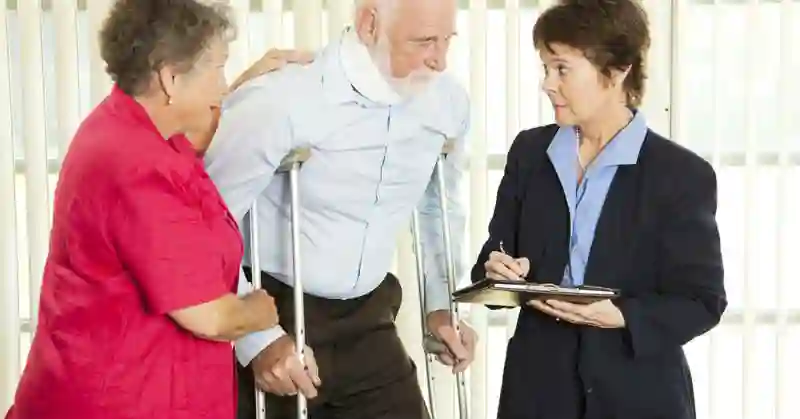
Hello, dear readers! Today, we’re diving into the world of personal injury law to shed light on a critical aspect of the process – negotiating with insurance companies. When you’ve suffered an injury due to someone else’s negligence, dealing with insurance companies can be a complex and challenging endeavor. That’s where personal injury lawyers come in. In this article, we’ll explore the expertise that these legal professionals bring to the table when negotiating with insurance companies on behalf of their clients.
Chapter 1: The Role of Insurance Companies
Before we delve into the expertise of personal injury lawyers, let’s understand the role of insurance companies in the context of personal injury cases. When an accident or injury occurs, the at-fault party’s insurance company typically steps in to handle the claim. Their primary goal is to minimize payouts and protect their interests and bottom line.
Chapter 2: The Challenges of Dealing with Insurance Companies
Negotiating with insurance companies can be daunting for several reasons:
- Complex Policies: Insurance policies are laden with legal jargon and intricate clauses that can be challenging for the average person to decipher.
- Lowball Offers: Insurance companies often make initial settlement offers that are far lower than what victims deserve.
- Delay Tactics: Some insurers employ delay tactics to wear claimants down, hoping they’ll settle for less out of frustration.
- Pressure to Settle: Insurance adjusters may pressure claimants to accept quick settlements, sometimes before the full extent of injuries is known.
Chapter 3: Personal Injury Lawyers: The Expert Negotiators
Personal injury lawyers are legal experts specializing in advocating for the rights of injured individuals. When it comes to negotiating with insurance companies, they bring a wealth of expertise to the table.
Chapter 4: In-Depth Knowledge of Personal Injury Law
One of the primary advantages of hiring a personal injury lawyer is their deep knowledge of personal injury law. They understand the legal intricacies, relevant statutes, and case precedents that apply to your situation. This expertise allows them to craft strong arguments and counter insurance company tactics effectively.
Chapter 5: Case Valuation
Personal injury lawyers are skilled at accurately assessing the value of your case. They consider factors such as medical expenses, lost wages, pain and suffering, and long-term consequences of your injuries. This ensures that you don’t settle for less than what you truly deserve.
Chapter 6: Investigative Skills
To negotiate effectively, personal injury lawyers conduct thorough investigations. They gather evidence, interview witnesses, and consult with experts when necessary. This robust investigative process strengthens their negotiating position and supports your claim.
Chapter 7: Strategic Negotiation
Negotiating with insurance companies is a delicate dance, and personal injury lawyers are skilled in this art. They know when to push for a higher settlement, when to stand firm, and when to explore alternative dispute resolution methods like mediation.
Chapter 8: Advocacy for Fair Compensation
A primary role of personal injury lawyers is to advocate zealously for their clients’ interests. They counter insurance company tactics designed to reduce payouts and ensure that your rights are protected throughout the negotiation process.
Chapter 9: Experience with Insurance Companies
Personal injury lawyers have extensive experience dealing with insurance companies. They understand the tactics and strategies insurers use to minimize payouts. This insider knowledge gives them a significant advantage when negotiating on your behalf.
Chapter 10: Legal Support
Insurance adjusters may try to take advantage of claimants who lack legal representation. Having a personal injury lawyer sends a clear message that you are serious about your claim and won’t be easily swayed by lowball offers or delay tactics.
Chapter 11: Maximizing Compensation
Ultimately, the goal of personal injury lawyers is to maximize your compensation. They know how to leverage their expertise and negotiation skills to secure the best possible outcome for their clients. This means fighting for fair compensation that covers your medical bills, lost income, and pain and suffering.
Chapter 12: Contingency Fees
Another advantage of hiring a personal injury lawyer is the contingency fee arrangement. Lawyers in this field often work on a contingency basis, meaning they only get paid if they win your case. This fee structure aligns their interests with yours and ensures that they are motivated to secure the highest possible settlement or court award.
Chapter 13: Protection of Rights
Above all, personal injury lawyers are dedicated to protecting your rights. They act as a shield against unfair practices and ensure that you receive just compensation for your injuries and losses.
Conclusion
In conclusion, negotiating with insurance companies is a challenging endeavor, but personal injury lawyers possess the expertise and skills to level the playing field. With their in-depth knowledge of personal injury law, investigative prowess, strategic negotiation abilities, and commitment to maximizing compensation, these legal professionals are invaluable advocates for those who have suffered injuries due to negligence. If you find yourself in such a situation, don’t hesitate to seek the expertise of a personal injury lawyer. They are the experts you need to navigate the complexities of negotiations with insurance companies and ensure that your rights are protected and your compensation is fair.
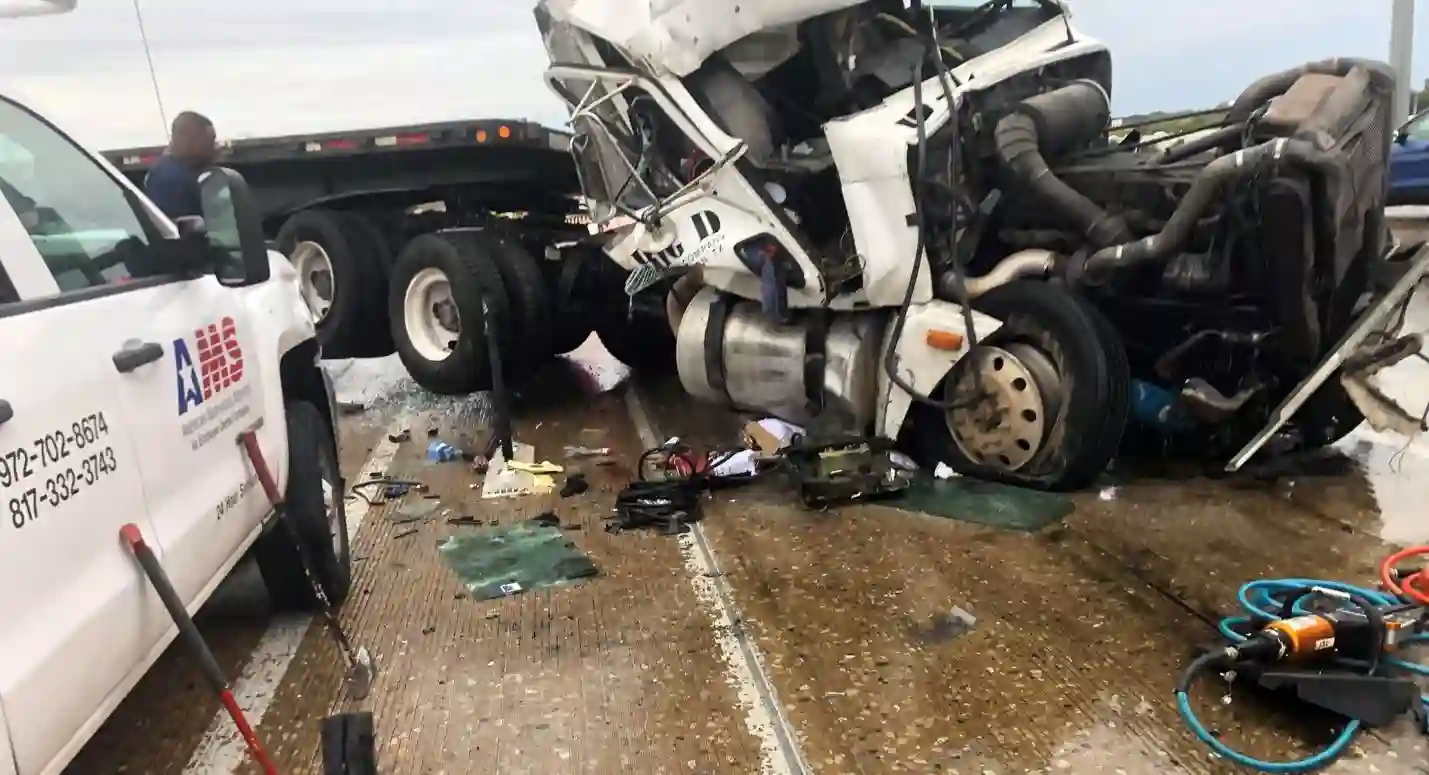
Truck accidents are harrowing events that can have devastating consequences, especially for vulnerable road users such as pedestrians, bicyclists, and motorcyclists. Due to the sheer size and weight of commercial trucks, collisions involving these vehicles often result in severe injuries or fatalities for those not protected by the confines of a car’s safety features. In the face of such tragedy, truck accident lawyers emerge as champions for vulnerable road users, advocating for their rights, seeking justice, and working tirelessly to ensure they receive the compensation they deserve. In this article, we will delve into the challenges faced by vulnerable road users in truck accidents and how dedicated lawyers step in as their advocates.
The Vulnerability of Road Users
Vulnerable road users encompass a wide range of individuals who share the road with large commercial trucks. These include:
- Pedestrians: People on foot, including those walking on sidewalks, using crosswalks, or simply crossing the street, are among the most vulnerable to truck accidents.
- Bicyclists: Cyclists sharing the road with trucks face a higher risk due to the limited protection offered by a bicycle.
- Motorcyclists: Motorcyclists are inherently more exposed and at greater risk in any collision, particularly when involving a massive truck.
- Scooter and Moped Riders: Individuals on scooters or mopeds face similar risks as motorcyclists, often without the same level of protective gear.
- Passengers in Smaller Vehicles: Even occupants of smaller cars can be considered vulnerable compared to the occupants of large trucks in an accident.
The consequences of a truck accident involving vulnerable road users can be catastrophic, leading to severe injuries such as traumatic brain injuries, spinal cord injuries, multiple fractures, and, tragically, fatalities.
Challenges Faced by Vulnerable Road Users
Vulnerable road users face several unique challenges when involved in truck accidents:
- Size Disparity: The sheer size and weight of commercial trucks make them formidable opponents in any collision. Smaller road users often bear the brunt of the impact, leading to more severe injuries.
- Visibility Issues: Trucks have substantial blind spots, making it challenging for drivers to see pedestrians, cyclists, or motorcyclists. This can lead to accidents when a truck driver fails to detect a vulnerable road user in their vicinity.
- Limited Protection: Vulnerable road users lack the protective features of a car, such as seatbelts, airbags, and a sturdy metal frame, leaving them more exposed to injury upon impact.
- Complex Liability: Determining liability in truck accidents involving vulnerable road users can be intricate, as multiple parties, including truck drivers, trucking companies, and the road’s condition, may contribute to the accident.
- Emotional and Financial Toll: The aftermath of a truck accident can be emotionally and financially devastating for vulnerable road users and their families, often leading to extensive medical bills and long-term rehabilitation costs.
The Role of Truck Accident Lawyers
Truck accident lawyers are dedicated legal professionals who specialize in advocating for victims of truck accidents, including vulnerable road users. They understand the unique challenges faced by this demographic and play a crucial role in their pursuit of justice and compensation. Here’s how truck accident lawyers champion the rights of vulnerable road users:
- Investigation and Evidence Gathering: Lawyers conduct thorough investigations to determine the cause of the accident. They gather evidence, such as accident reports, witness statements, and surveillance footage, to establish liability.
- Expert Witnesses: Truck accident lawyers often collaborate with expert witnesses, such as accident reconstruction specialists and medical professionals, to strengthen their clients’ cases and provide expert testimony in court.
- Valuing Damages: Lawyers assess the full extent of the financial and emotional losses incurred by vulnerable road users. They carefully calculate damages, ensuring that all relevant factors are considered.
- Negotiation: Lawyers engage in negotiations with insurance companies and responsible parties to secure fair settlements for their clients. They are skilled negotiators who advocate for just compensation.
- Litigation if Necessary: If negotiations do not result in a satisfactory outcome, lawyers are prepared to take the case to court. They represent their clients in litigation, presenting a compelling argument for compensation.
- Support and Empathy: Truck accident lawyers understand the emotional toll of a serious accident and provide compassionate support to their clients. They offer guidance and empathy during a challenging time.
- Dealing with Insurance Companies: Lawyers are experienced in dealing with insurance companies, which often seek to minimize payouts. Lawyers protect their clients’ rights and interests during interactions with insurers.
Compensation for Vulnerable Road Users
Compensation for vulnerable road users involved in truck accidents aims to provide financial relief for the losses they incur due to the accident. This compensation can encompass various types of damages, including:
- Medical Expenses: Coverage for medical bills resulting from injuries sustained in the accident, including hospitalization, surgeries, rehabilitation, and ongoing medical treatment.
- Lost Income: Compensation for the income lost due to the inability to work during recovery or permanently.
- Pain and Suffering: Damages awarded for the physical and emotional pain and suffering endured by the victim due to their injuries.
- Emotional Distress: Coverage for emotional trauma, anxiety, depression, and other psychological consequences resulting from the accident.
- Loss of Consortium: Damages for the loss of companionship, love, and support that the victim would have provided to their family members.
- Funeral Expenses: In cases resulting in fatalities, compensation for funeral and burial expenses for the deceased.
Conclusion:
Truck accident lawyers are more than just legal professionals; they are champions for vulnerable road users who have suffered the devastating consequences of truck accidents. By guiding these victims through the legal process, investigating the accidents, and tirelessly advocating for their rights, truck accident lawyers provide invaluable support and hope for a brighter future. In the face of such challenging circumstances, these legal professionals ensure that vulnerable road users and their families receive the justice and compensation they deserve, helping them on their path to recovery and a more secure future.

Tab66: Your One-Stop Online Casino Gaming Platform

Rupee7 Sportsbook: Odds, Features, and Betting Experience

KemonoParty: Your One-Stop Destination for Art!

Join Metabet63 Today for an Amazing Sports Betting Experience

Cool Fonts: Unique Typography Styles That Stand Out in Graphic Design

Toto Site Verification: Avoiding Eat-and-Run Risks

Win Big at Kudaponi88: Best Casino Games & Slots

6 Things You Need to Know About Buying YouTube Comments

How can education helps in attaining safe and security?

Literature Gap: What It Means And How To Find It

15 Different Types of Technology We Use Everyday

9 Reasons Why We Need Education

What’s the Cheapest Roofing Material for a Roof Replacement?

Top 12 Marketing Agencies to Grow Your Business in 2023
-
 Social Media2 years ago
6 Things You Need to Know About Buying YouTube Comments
-
 Education2 years ago
Literature Gap: What It Means And How To Find It
-
 Technology2 years ago
15 Different Types of Technology We Use Everyday
-
 Education2 years ago
9 Reasons Why We Need Education
-
 Home & Garden2 years ago
What’s the Cheapest Roofing Material for a Roof Replacement?
-
 Marketing2 years ago
Top 12 Marketing Agencies to Grow Your Business in 2023
-

 Health & Fitness2 years ago
6 Natural Health and Nutrition Tips That Are Evidence-Based
-

 Education1 year ago
Overcoming Challenges in Online Degree Programs: Tips for Students